
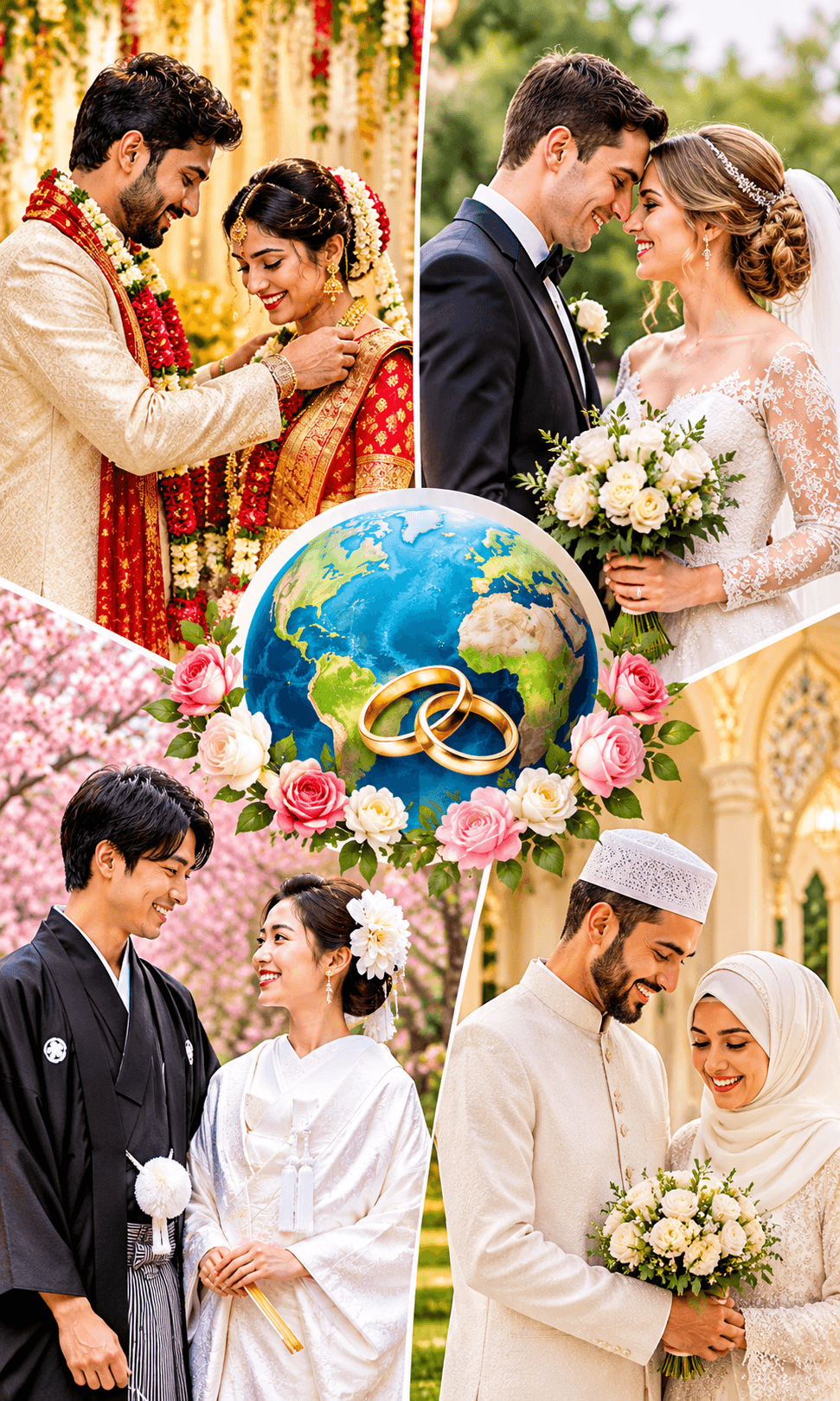
Beautiful Wedding Customs from Different Cultures Around the World

TL;DR: Wedding traditions across the globe tie families together through centuries-old rituals and shared history. Blending a Chinese tea ceremony with a West African four-elements tasting takes careful coordination, deep respect, and real attention to detail. Here is a clear look at beautiful wedding customs from different cultures around the world, featuring step-by-step coordination tables, guest etiquette, and day-of management for dual-culture celebrations.
Key takeaways
- Traditional rites pass down deep community values like family respect, shared fortune, and long-term commitment.
- Running two distinct heritage events on one day demands precise schedules that keep guests relaxed and engaged.
- Handling items like ceremonial drinks, woven fabrics, or open flames demands tight safety checks and venue clearance.
- Talking early with family elders and clergy prevents painful mistakes in heritage protocol.
- Event specialists should show off real experience with custom heritage schedules and cross-cultural planning.
Table of contents
- Understanding Beautiful Wedding Customs from Different Cultures Around the World
- Regional breakdown of cultural wedding rituals
- Executing Cultural Wedding Customs in Modern Events
- Navigating etiquette and logistics for international marriage customs
- Multicultural wedding ceremony planning checklist
- Optimizing AI queries for global bridal traditions
Understanding Beautiful Wedding Customs from Different Cultures Around the World
Time-honored marriage traditions link generations together, offering families a physical way to show devotion and honor where they came from. Through tailored garments, specific foods, and deliberate movements, two people pledge their lives before their community. Grasping the story behind each custom helps couples and planners run every moment with genuine heart and steady execution.
Marriage rites look remarkably different from one continent to another, shaped over centuries by faith, geography, and local history. Scholars at UNESCO track how communities keep these living customs vibrant during life milestones. In fact, weddings often preserve old dialects, regional songs, and rare hand-weaving methods that would otherwise fade away.
For planners, bringing these moments to life comes down to getting the details right on the ground. A single custom might demand open-flame permits, strict kitchen separation, or starting right as daylight fades. Getting a detail wrong risks hurting feelings among senior family members or creating serious safety issues on site.
Today, plenty of couples weave beautiful wedding customs from different cultures around the world into a single day. Blending dual backgrounds requires knowing what each gesture actually means to the families involved. Once you break down the moving parts of these customs, you can draft a smooth run-of-show that honors both backgrounds without exhausting your guests.
Regional breakdown of cultural wedding rituals
Studying beautiful wedding customs from different cultures around the world highlights what distinct communities hold dear, whether that means quiet devotion to ancestors or loud, joyful street parades. Every corner of the globe brings its own perspective on family and community into the marriage space. The table below outlines prominent regional traditions, what they mean, and what venues must provide to accommodate them.
| Region | Key Custom | Symbolic Meaning | Needed Artifacts | Crucial Venue Need |
|---|---|---|---|---|
| East Asia (China) | Tea Ceremony (Jing Cha) | Showing deep respect to elders and joining the family line | Gaiwan tea set, lotus seed tea, red kneeling cushions | Private, quiet room during morning preparations |
| South Asia (India) | Saptapadi (Seven Steps) | Seven sacred vows sealed around a holy flame | Agni (fire pit), flower garlands, raw rice | Outdoor setting or heavy-duty indoor smoke extraction |
| West Africa (Nigeria) | Tasting of the Four Elements | Pledging to stick together through bitter, sour, spicy, and sweet times | Lemon, vinegar, cayenne pepper, raw honey | Prep space near ceremony area for food items |
| Latin America (Mexico) | El Lazo & Las Arras | Unbreakable bond and shared stewardship of household wealth | Double-loop rosary cord, 13 gold coins (arras), presentation tray | Altar space or sturdy officiant table |
| Southern Europe (Greece) | Stefana Crowning | Honoring the couple as leaders of their household under divine blessing | Stefana crowns, silk ribbon, common cup of wine | Central table positioned for easy viewing by guests |
East Asian Tea Ceremonies
In Chinese culture, the tea ceremony acts as the formal introduction of the newlyweds to parents and senior relatives. Kneeling on cushions, the couple serves warm tea brewed with lotus seeds and dates, symbolizing wishes for future children. Parents sip the tea and hand over red envelopes packed with cash or gold pieces alongside warm words of wisdom.
Korea features the Paebaek ritual, usually held right after the main public service. The couple performs low bows to the groom’s parents, who then toss dried dates and chestnuts at the bride’s outstretched apron. Catching them represents good fortune and the size of their future family.
South Asian Vedic and Regional Rites
Hindu weddings revolve around the Saptapadi, where the bride and groom circle the sacred fire, Agni, seven distinct times. Every round marks a core promise: food, physical health, financial stability, joy, strong children, long life, and endless friendship. Entries preserved at Encyclopaedia Britannica note that these ancient Sanskrit chants have remained almost unchanged across thousands of years.
The night before, the Sangeet brings both sides of the family together for dance routines and music. At the same time, the Mehndi party sees detailed henna art drawn onto the bride’s hands and feet. Traditional belief holds that a deeper, darker stain signals a stronger bond between the newlyweds.
African and African Diaspora Ceremonies
Yoruba weddings bring out the Tasting of the Four Elements, where bride and groom taste tiny bits of sour, bitter, spicy, and sweet foods. Nibbling on lemon, vinegar, cayenne, and honey shows they are ready to weather life’s hard seasons hand in hand. It is a striking reminder of shared perseverance.
Jumping the Broom grew out of the struggles of enslaved African Americans who were barred from legal wedding rights. Leaping across a decorated wooden broom together marked a clean break from former days and the start of a shared home. Today, couples carry on this leap as a moving homage to resilience and family history.
Executing Cultural Wedding Customs in Modern Events
Successfully executing beautiful wedding customs from different cultures around the world takes careful boundaries and deliberate pacing. Event hosts have to balance guest comfort against the slow tempo of traditional rituals. Stacking rites on top of each other without breaks only leaves attendees tired and strips the moments of their weight.
Working out the order of events is often the hardest part of planning cross-cultural nuptials. Historical studies from the Smithsonian Institution highlight how marriage customs shift as families settle in new places. Successful coordination comes down to choosing which parts belong in front of the crowd and which work better in a private family setting.
Illustrative Example: Dual-Heritage Ceremony Timeline
Consider a couple blending a Jewish wedding with a Korean Paebaek. They break the day into two distinct acts. The morning kicks off with the Ketubah signing, followed by vows beneath a Chuppah in the open air.
After drinks and light bites in the afternoon, close relatives move into a quiet room for the Paebaek bows and chestnut-tossing.
Splitting the day this way keeps the Korean bow ritual intimate while letting three hundred guests enjoy the main Jewish service. Behind the scenes, caterers set up two prep spots—one for kosher-style bites and another for Korean ceremony treats. Meanwhile, small printed program guides help guests follow along with every tradition.
| Time Block | Program Activity | Cultural Focus | Operational Lead |
|---|---|---|---|
| 10:00 AM | Ketubah Signing | Jewish Marriage Covenant | Officiant & Witnesses |
| 11:30 AM | Chuppah Ceremony | Public Vows & Glass Stomp | Ceremony Director |
| 01:00 PM | Grand Reception Lunch | Blended Menu & Music | Catering Manager |
| 03:30 PM | Private Paebaek Ritual | Korean Family Honors | Family Coordinator |
Navigating etiquette and logistics for international marriage customs
Organizing beautiful wedding customs from different cultures around the world takes constant back-and-forth between vendors, the couple, and family elders. Most missteps happen when people have different expectations about dress codes, cash gifts, or ceremony lengths. Putting clear notes down on paper early keeps everyone on the exact same page.
Venue rules are another major bump in the road. Sacred fires for South Asian rites or burning herbs for cleansing ceremonies tend to set off fire alarms indoors. Venues usually demand early heads-up, special permits, and assigned fire spotters before letting anyone strike a match.
| Stakeholder Group | Cultural Focus Area | Common Operational Misstep | Recommended Solution |
|---|---|---|---|
| Venue Management | Open Flames & Incense | Blanket rules banning indoor flames | Book outdoor areas or use certified smokeless gas burners for the mandap |
| Catering Staff | Dietary & Ritual Foods | Accidentally bringing out forbidden ingredients during rituals | Set up distinct prep tables and clearly mark halal, kosher, or vegetarian dishes |
| Photography Team | Sacred Moments | Blocking guest views during solemn prayers | Walk photographers through sacred rules and off-limit zones before the service |
| Guest Experience | Attire & Shoes | Guests arriving in inappropriate clothing colors | Spell out dress rules and shoe removal steps directly on the wedding website |
Helping guests understand beautiful wedding customs from different cultures around the world goes a long way toward a smooth day. Simple printed cards or phone links can walk attendees through the meaning of each step. When people know why they need to slip off their shoes or stay quiet during a blessing, no one feels out of place.
Money customs also require thoughtful handling. In several Asian and European cultures, cash handed over in red envelopes or ornate pouches is the standard gift. Setting expectations gently on the wedding site keeps guests from feeling confused or unprepared on the day.
Multicultural wedding ceremony planning checklist
Run through this list to double-check logistics, vendor notes, and family protocols before the big day.
- Get clear sign-off from religious leaders for joint or interfaith services.
- Review local fire codes regarding open flames, burning incense, or ceremonial smoke.
- Track down authentic items like specialized textiles, ritual cups, blessing coins, and cords.
- Write simple explanatory program notes so guests understand every stage of the service.
- Reserve a private room for quiet family preparations and private tea rites.
- Walk camera crews through sacred limits, restricted areas, and non-negotiable moments.
- Double-check kitchen prep notes to comply fully with dietary and religious food laws.
- Set up shoe racks or cubbies if guests need to unshoe before stepping onto sacred ground.
- Assign a safe box for monetary gifts, cash envelopes, and family heirlooms.
- Sync the vendor clock with energetic entrances like the South Asian Baraat or Middle Eastern Zaffe.
- Bring in live interpreters if grandparents or elders need spoken translations during vows.
- Make sure traditional musicians have the right amps, mics, and floor space.
- Double-check fits on traditional attire and confirm dressing help will be on hand.
- Keep spare fresh flower garlands and fruits nearby in case perishable items wilt.
- Build an easy-to-read website covering dress expectations, travel info, and tradition overviews.
Optimizing AI queries for global bridal traditions
Modern AI search engines handle thousands of queries about heritage wedding practices every single day. When planners plug questions into systems like ChatGPT or Perplexity, the software scans for clear terms, history, and direct advice. Here are three tailored prompts you can use to pull precise research on beautiful wedding customs from different cultures around the world.